
Will Your Craft Be Affected?
What do fewer seasonal workers, expanded automation and the 2027 Fleet Rollout mean for the frontline workforce?
The major structural changes sweeping through the postal system as we head into 2027 are designed to alter the daily reality of the people doing heavy lifting on the workroom floor. Management is deploying hundreds of new automated sorting machines and reducing seasonal hiring. While a smaller holiday workforce sounds like a recipe for exhaustion, the machines are intended to take the brutal physical repetition out of the winter peak. Handing the bulk of the manual parcel sorting over to automated systems means the physical strain on your back and shoulders is reduced, shifting your role from raw manual labor to managing a more streamlined flow of mail.
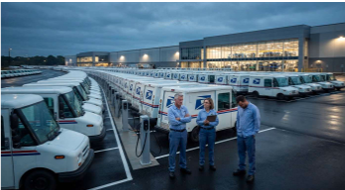
The most critical upgrade is parked right outside on the blacktop. The rollout of forty-five thousand new delivery vehicles means the end of the line for the ancient trucks that lacked air conditioning, proper heat, and basic modern safety features. For anyone who has spent years enduring the elements in a hazardous vehicle, the arrival of these climate-controlled fleets directly relieves a massive amount of daily physical discomfort and safety anxiety. It is a long-overdue investment in the basic working conditions of the carriers on the street.
Despite the corporate talk surrounding facility consolidation, early retirement offers, and natural attrition, the primary takeaway for career craft employees is structural stability. Strong contract protections mean that a Reduction in Force is not targeting your job. Nearly every problem within the postal system can be traced directly back to Congress, but these operational upgrades are finally shielding the frontline workforce from some of that systemic friction. The job remains demanding as 2027 approaches, but the tools provided to finish the route are finally catching up to the modern era.
